

Anthropomorphic Phantoms
Our Anthropomorphic Optical Phantoms bring together a range of advanced, anatomically realistic phantoms specifically designed for optical imaging techniques such as fNIRS, Diffuse Optical Tomography (DOT), Fluorescence Imaging, and Diffuse Correlation Spectroscopy (DCS).
Unlike traditional phantoms that only mimic optical properties, these phantoms also replicate the geometry and internal structure of human body parts, enabling a highly realistic simulation of light-tissue interactions in complex geometries.
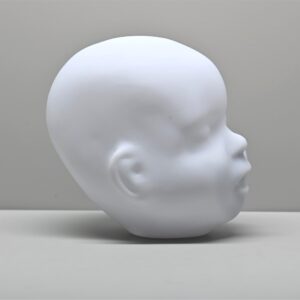
From neonatal head models to full adult cranial structures and custom-designed body parts, our anthropomoprhic phantoms help researchers, developers and clinicians providing them with a realistic and ethical platform to validate and optimize their optical imaging systems with anatomical accuracy without involving human subjects.
Key features of our Anthropomorphic phantoms
- Anatomical accuracy – Replicates the external and internal structure of body regions such as the head, breast, torso, and limbs.
- Optical property simulation – Tailored absorption and reduced scattering coefficients for realistic light propagation studies.
- Support for multiple modalities – Suitable for fNIRS, DOT, CW/TD/FD spectroscopy, fluorescence imaging, and DCS (for hollow models).
- Customizability – Available in both off-the-shelf and fully customized formats depending on experimental needs.
- Durability – Constructed from robust, reusable, optically stable materials.
- Ethical & Safe – Allows device testing and training without involving vulnerable patient populations like infants or clinical volunteers.
Why Use Anthropomorphic phantoms
-
🧠 Realistic Light-Tissue Interaction
Simulate optical measurements in anatomically correct geometries, improving the clinical relevance of your research. -
🔍 Ethical and Safe Testing
Validate and optimize medical devices without involving vulnerable populations, such as neonates or patients. -
🛠 Accelerated Development and Certification
Streamline device development, clinical validation, and quality control workflows through standardized and reproducible testing conditions. -
🎯 Flexible Customization
Adapt optical properties, internal structures, and anatomical features to match specific imaging challenges or research goals. -
🚀 Trusted Scientific Foundations
Products developed through high-impact European research projects (e.g., TinyBrains), ensuring technical accuracy and research-grade quality.
Applications
-
🔬 fNIRS and DOT Validation – Optimize probe positioning, sensitivity analysis, and light diffusion across complex anatomy.
-
🌟 Fluorescence Imaging Studies – Assess fluorescence targeting, quantification, and imaging in realistic geometries.
-
⚙ DCS (Diffuse Correlation Spectroscopy) – Flow and perfusion simulation in hollow infant head models.
-
🏥 Medical Device Calibration & Testing – Validate wearable sensors, brain imaging caps, or surgical guidance systems.
-
🧪 Research and Development – Accelerate biophotonics innovation in preclinical and translational studies.
-
🎓 Training and Educational Platforms – Hands-on experience for students and clinical teams in optical imaging.
Product range
🔹 Adult Head Phantom
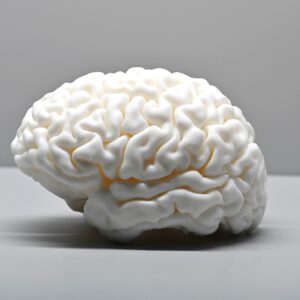
Anatomically accurate, homogeneous adult head model for fNIRS and brain optical imaging system validation. Available in half-head or full-head configurations with customizable optical properties.
🔹 Infant Head Phantoms
Specialized neonatal head models created from CT scans, available as a solid homogeneous phantom or an innovative hollow, liquid-fillable version for flow-based validation and DCS applications. Developed within the TinyBrains European project.
🔹 Customized Anthropomorphic Phantoms
Fully bespoke phantoms replicating torso, breast, limb, abdominal regions and more. They may include internal structures such as vessels, tumors, or fluorescent targets, offering tailored solutions for specific biophotonics research needs.
Showing all 3 results
-
Adult Head Phantom – Homogeneous optical phantom for fNIRS and Brain Imaging
Anthropomorphic Phantoms Request Quote -
Infant Head Phantoms – Anatomical optical models for Neonatal Brain Imaging
Anthropomorphic Phantoms Request Quote